Pickleball Serve Techniques: Improve Your Serve Today
Master pickleball serve techniques including power serves, spin serves, and lob serves. Learn placement strategy, drills, and a consistent pre-serve routine.
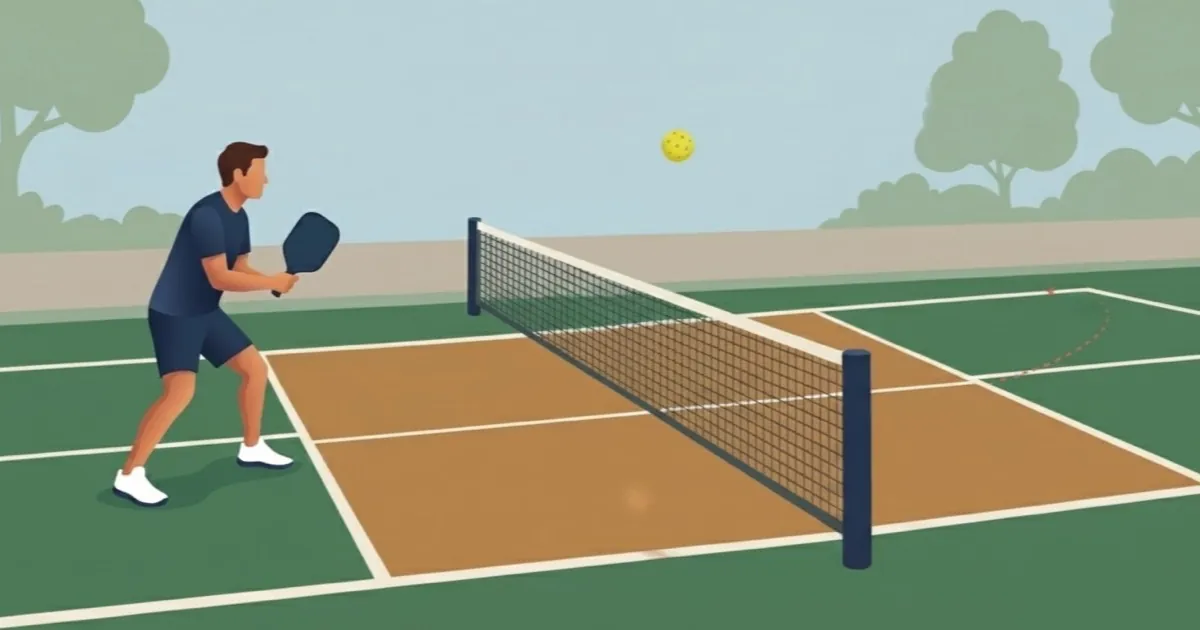
Why Your Serve Matters More Than You Think
In pickleball, the serve starts every single rally. It is the one shot where you have complete control. No opponent has hit a ball at you, no one is pressuring you, and you can take your time. Yet many players treat the serve as an afterthought, just getting the ball in play and hoping for the best.
A strong, consistent serve with good placement gives you an advantage from the very first shot. It pushes your opponent back, limits their return options, and sets up a more favorable third shot for you and your partner. Let us break down the serve techniques that will make your serve a real asset.
Pickleball Serve Rules: A Quick Refresher
Before working on technique, make sure you understand the current rules:
- Underhand motion. The paddle must move in an upward arc when contacting the ball. You cannot serve overhand.
- Contact below the waist. The ball must be struck below your navel.
- Paddle below the wrist. At the point of contact, the highest point of the paddle head cannot be above the highest point of your wrist.
- Behind the baseline. At least one foot must be behind the baseline when you serve. Neither foot can touch the baseline or the court inside the baseline.
- Diagonal service. The serve must land in the diagonal service court, past the non-volley zone line.
- One serve attempt. You get one chance to make a legal serve. There are no second serves like in tennis.
- Drop serve option. You may drop the ball and hit it after it bounces. The drop serve has fewer restrictions on the paddle position at contact.
With only one serve attempt, consistency is king. A missed serve is a point for your opponent, and no amount of power or spin is worth it if the serve does not go in.
The Power Serve
The power serve is about driving the ball deep into your opponent’s service court with pace. It is not about swinging as hard as possible. It is about generating controlled speed that pushes your opponent back and gives them less time to set up their return.
How to Hit a Power Serve
- Start with your feet. Stand sideways to the net with your front foot pointing toward your target. A stable base lets you transfer weight effectively.
- Use a full pendulum swing. Take the paddle back behind your hip, then swing forward and upward in a smooth arc. The power comes from your core rotation and weight transfer, not just your arm.
- Contact the ball at hip level. Hitting it too low reduces power. Hitting it too high risks a fault.
- Follow through toward your target. Your paddle should finish high, pointing in the direction you want the ball to travel.
- Hit through the ball. Do not decelerate at contact. Maintain your swing speed through the hitting zone.
When to Use It
The power serve is effective when:
- You want to push your opponent deep behind the baseline
- Your opponent struggles with pace on the return
- You are serving to a weaker side and want to compound the difficulty
- You need a quick point and your opponent has been returning short
The Spin Serve
Spin serves add another dimension to your serving game by making the ball behave unpredictably off the bounce. While rule changes in recent years have limited some spin techniques, you can still generate effective spin through your paddle motion at contact.
Types of Spin
- Topspin. Brush up and over the ball at contact. This makes the ball dive down and kick forward after the bounce, pushing your opponent back.
- Backspin (slice). Brush under the ball, creating a serve that stays low after the bounce and can skid, making it hard to return with power.
- Sidespin. Brush across the ball to make it curve left or right in the air and bounce sideways. This is effective for pulling your opponent off the court.
How to Add Spin
The key to generating spin is paddle angle and the direction of your swing at contact. For topspin, close the paddle face slightly and swing low to high. For backspin, open the paddle face and swing slightly high to low. For sidespin, swing across the ball from left to right or right to left.
Important: you cannot impart spin on the ball by tossing it with spin before hitting it. The ball must be released cleanly. All spin must come from the paddle at contact.
When to Use It
Spin serves work best when:
- Your opponent is not reading the spin and mishitting returns
- You want to create an awkward bounce that pulls your opponent off balance
- You are mixing it in as a change of pace from your normal serve
- Conditions (wind, sun) make a spinning ball even harder to track
The Lob Serve
The lob serve is a high, arcing serve that lands deep in the service court. It is not a power play. It is a strategic one.
How to Hit a Lob Serve
- Open your paddle face more than on a normal serve. Angle it upward significantly.
- Swing gently upward. You do not need much pace. The height and depth do the work.
- Aim for the ball to peak at 8 to 12 feet above the net.
- Target deep. The ball should land within the last two feet of the service court.
Why It Works
A high, deep lob serve:
- Changes the rhythm. After seeing power serves, a slow lob disrupts your opponent’s timing.
- Pushes them back. A deep lob bouncing high forces your opponent well behind the baseline for their return.
- Is very consistent. The arc gives you a large margin for error. This is a high-percentage serve.
- Can be affected by wind. A lob serve into the wind stays in the court better. A lob with the wind can push your opponent back even further.
When to Use It
The lob serve is ideal when:
- You have missed a few serves and need to get back into rhythm
- Your opponent is standing inside or near the baseline to return
- Wind conditions make low serves unpredictable
- You want to change the pace after several power serves
Serve Placement Strategy
Where you place your serve matters as much as how you hit it. Here are the primary targets.
Deep Center
A serve down the center line limits your opponent’s return angles. They cannot go wide crosscourt without risk, and a return down the line is a shorter shot that is easier for you to handle.
Deep to the Backhand
Most players have a weaker backhand. Targeting the backhand consistently pressures a known weakness and forces difficult returns. In singles play, this is especially effective because there is no partner to cover for a weak backhand.
Wide to the Sideline
A serve that catches the outside edge of the service court pulls your opponent off the court, opening up the middle for your third shot. This works well when your opponent tends to return from a neutral, centered position.
At the Body
Serving directly at your opponent’s hip or paddle-side shoulder jams them and makes a clean return difficult. This is an underused target that can produce weak returns even against skilled players.
Serve Consistency Drills
Drill 1: The 10-Ball Baseline Challenge
Serve 10 balls and count how many land within three feet of the baseline. Your goal is 7 out of 10. If you are consistently under that number, focus on depth before working on placement or spin.
Drill 2: Corner Targets
Place targets (towels, cones, or water bottles) in the deep corners of the service court. Alternate serving to each target, hitting 5 to each side. Track your accuracy over multiple sessions.
Drill 3: Three-Serve Sequence
Practice hitting three different serves in a row: power, spin, and lob. This builds your ability to switch between serve types in a game, keeping your opponent guessing.
Drill 4: Pressure Serving
Simulate game pressure by serving with a consequence. If you miss, do five push-ups or five jump squats before the next attempt. This trains your ability to serve under stress, which translates to serving well when the game score is close.
Building a Pre-Serve Routine
The best servers in pickleball have a pre-serve routine they follow before every single serve. A routine calms your mind, focuses your body, and creates consistency.
Here is a simple pre-serve routine to adopt:
- Position your feet. Set up behind the baseline with your preferred stance.
- Decide your target. Pick a specific area of the service court before you serve, not during.
- Take a breath. One slow, deep breath settles your nerves and focuses your attention.
- Bounce the ball (if using a drop serve) or hold it in your non-paddle hand.
- Visualize the serve. See the ball landing where you want it.
- Serve. Execute with confidence.
The routine does not need to be long. It just needs to be the same every time. Consistency in your routine leads to consistency in your serve.
Make Your Serve Count
A serve does not need to be an ace to be effective. A deep, well-placed serve that consistently puts pressure on your opponent’s return is worth far more than a flashy serve that misses half the time. Build your technique, practice your placement, and develop a routine that gives you confidence every time you step up to the baseline.
For more ways to gain an edge, our 10 tips to improve your game covers additional strategies that pair well with a strong serving game.
Ready to refine your serve with expert feedback? Coach Pickle’s AI coaches can evaluate your serving technique, suggest adjustments for more power and accuracy, and help you develop the pre-serve routine that builds confidence and consistency on every point.
Want Personalized Coaching?
Coach Pickle gives you an AI pickleball coach in your browser or on your phone. Get strategy advice, drills, and mental game coaching tailored to your skill level.